
Food sovereignty is concerned not only with access to food, but also with community power, economic self-determination, and efforts to address historical harms. Ali Anderson, Founder and Co-Executive Director of Feed Black Futures, joins Erin Axelrod to explore how food sovereignty can address the harms of incarceration and land dispossession. Drawing on more than 15 years of experience in public health, birth work, and food justice, Ali shares how her path from doula work to farming led to the creation of Feed Black Futures.
Healing Harm Through Fierce Vulnerability (w/ Kazu Haga)
What if resisting injustice could also become a practice of collective healing? Kazu Haga joins Phoenix Soleil to explore restorative justice, nonviolence, and fierce vulnerability.
Freeing Money Through Relationship and Trust (w/ Marian Moore)
What if transforming our relationship with money is just as important as redistributing it? Marian Moore joins Erin Axelrod to explore what it takes to build a more just economy through trust, community, and shared humanity.
Building Stronger Communities Through Restorative Justice (w/ David Yusem)
How can we create communities where conflict becomes an opportunity for healing instead of punishment? Today, David Yusem joins us to explore the transformative potential of restorative justice.
Building Community Sufficiency at Melliodora (w/ Su Dennett)
Next Economy Now is a weekly social impact podcast sharing stories & dialogue from the front lines of the new economy. Subscribe on Apple Podcasts, Spotify, Pandora, YouTube, or wherever you find your podcasts.
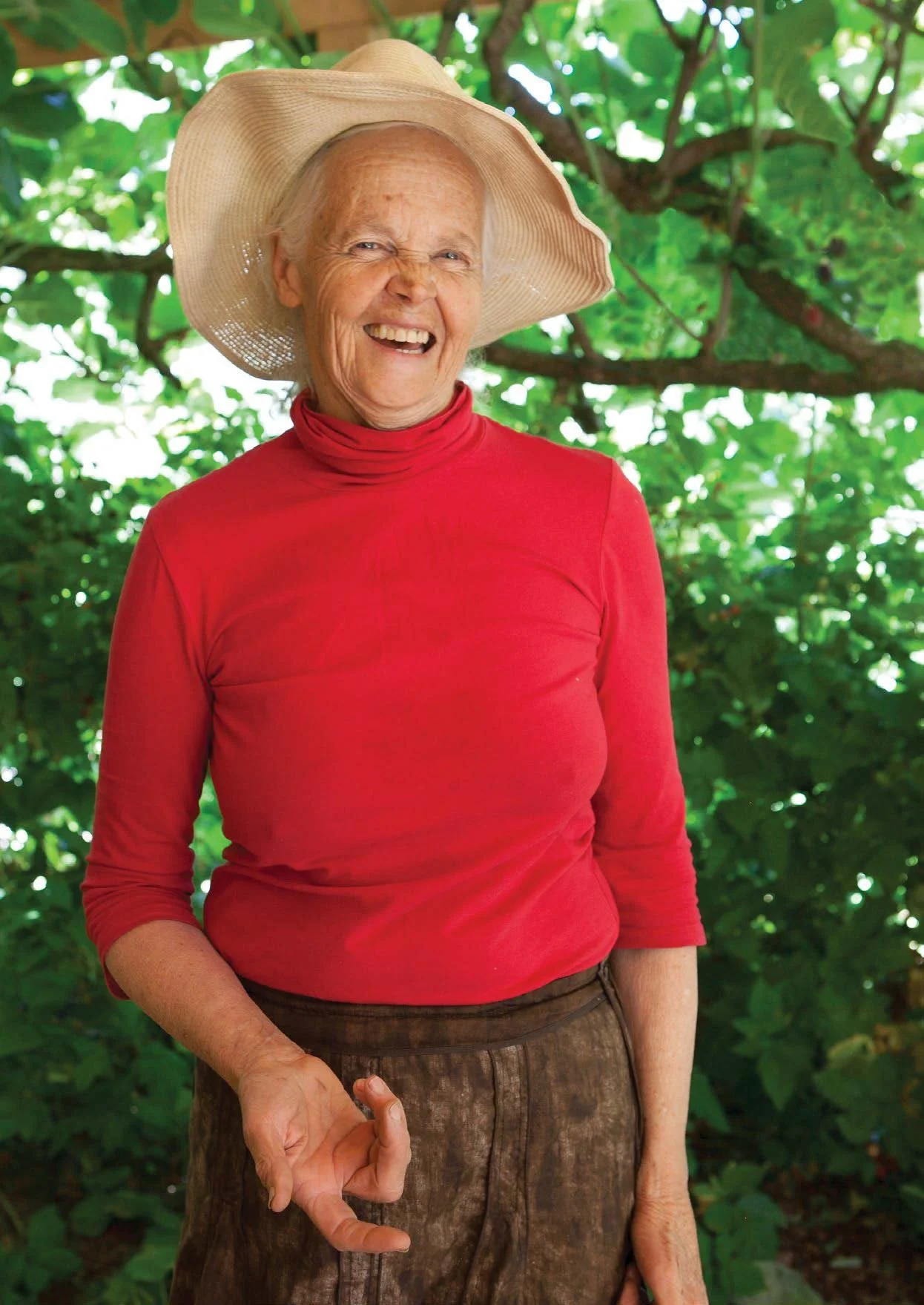
What would change if we treated the household as a living economy, not just a place to rest between workdays? Su Dennett, permaculture elder and local food pioneer, joins Erin Axelrod to explore how daily life can foster resilience, care, and cultural change. Su lives at Melliodora, the internationally recognized permaculture demonstration site in Central Victoria, Australia, with her partner, permaculture co-originator David Holmgren.
In their conversation, Su discusses what it was like growing up with a self-sufficiency mindset, living in food-conscious cultures in Greece and Italy, and eventually helping shape life at Melliodora. She shares how tending goats, growing food, preparing meals, managing household systems, and building exchange-based relationships have informed her understanding of what it means to live well outside systematic norms.
They explore the difference between self-sufficiency and community sufficiency, and how local food networks and direct relationships with growers can help people rely less on fragile systems. Su also talks about raising children close to the land, reclaiming domestic work from the monetary economy, building health through daily routines, and learning to set boundaries in a community.
Tune in to challenge your ideas about household economics, interdependence, parenting, and the simple yet necessary act of getting back in the dirt.
—-
What You’ll Learn:
Learn how Su’s early life shaped her connection to food, land, and self-sufficiency. [0:02:08]
Explore how Melliodora’s household economy works through food, animals, and exchange-based living. [0:08:15]
Discover how Su attracted people to Melliodora and introduced them to shared permaculture living. [0:13:50]
Hear Su’s views on retirement and preventative health care, and why she thinks individual agency can drive systemic transformation. [0:17:33]
Unpack Su’s philosophy around parenting, resilience, nature, and learning through daily immersion. [0:30:28]
Understand how she approaches task prioritisation, delegation, boundaries, conflict, and emotional learning in a shared community. [0:45:23]
---
Memorable Quotations:
“When you live and work together a lot in a partnership, then you need to have separate domains.” — Su Dennett [0:08:16]
“You don’t need to be self-sufficient, you need to be community efficient.” — Su Dennett [0:11:00]
“Living out of the cities, I think, is such a luxury. And living close to the dirt where you do get your immune boost.” — Su Dennett [0:24:23]
“That’s in general, in life, you don’t rely on anything that you do for yourself. Everything has to be given out to a professional.” — Su Dennett [0:26:28]
“The systemic transformation must always come after the individual transformation.” — Su Dennett [0:27:17]
“We’ve got to take things back into the non-monetary economy.” — Su Dennett [0:39:35]
“Enjoy [the] journey and make sure you’re out in the dirt.” — Su Dennett [0:55:48]
---
Links Mentioned in Today’s Episode:
Su Dennett – Website: https://holmgren.com.au/about-holmgren-permaculture-design/
Melliodora – Website: https://melliodora.com/
RetroSuburbia – Book Link: https://retrosuburbia.com/book/
Artist as Family – Website: https://artistasfamily.is/
If Women Counted: A New Feminist Economics – Book Link: https://www.marilynwaring.com/publications/if-women-counted.asp
Radical Homemakers – Book Link: https://www.abebooks.com/9780979439117/Radical-Homemakers-Reclaiming-Domesticity-Consumer-0979439116/plp
Explore More from LIFT Economy:
Subscribe to Next Economy Now wherever you get your podcasts:
Apple Podcasts: https://podcasts.apple.com/us/podcast/next-economy-now-for-the-benefit-of-all-life/id1074584017
Spotify: https://open.spotify.com/show/36p6xgHCr8BY9jZyIaQPYB
YouTube: https://youtube.com/c/Lifteconomy
Stay connected with the LIFT Economy team for more conversations and resources on building an economy that works for all life:
Newsletter: https://lifteconomy.com/newsletter
Next Economy MBA: https://lifteconomy.com/mba
One Precious Life, One Sustainable Economy (w/Dror Yaron)
Next Economy Now is a weekly social impact podcast sharing stories & dialogue from the front lines of the new economy. Subscribe on Apple Podcasts, Spotify, Pandora, YouTube, or wherever you find your podcasts.
What if there were a way you could make a difference in the world and be successful financially? Today on Next Economy Now, we welcome Dror Yaron, a purpose-driven life and leadership coach who helps overwhelmed business leaders by rebuilding and reenergizing his community, while also facilitating conversations about humanizing business and practical ethics. Dror shares his career journey from the Israeli military to ethics coach and tells us why, for him, his focus has always been on ‘the people’ and supporting their ‘precious lives’.
This conversation explores Dror’s vision for an ecosystem of leaders committed to building a sustainable world through business. We reflect on Social Venture Network’s mission and initiatives committed to sustainability and touch on how Dror supports his clients in reclaiming their joy and sense of purpose in order to thrive both personally and professionally. He shares his thoughts on the role of ethics in technology and the power of prioritizing the thriving of life and human happiness.
Dror also delves into why he believes that business leaders can make good money and do a lot of good in the world before discussing some of the biggest ethics issues he is tackling. Listen in for a fascinating discussion about the power of finding joy in work, the importance of prioritizing sustainability, and how leaders can live good lives and make a difference at the same time.
—-
What You’ll Learn:
Discover what Social Venture Network does, its evolution, and the role Dror plays in it. [0:10:50]
Learn about Social Venture Network’s Peer Circles initiative and new groups they’re starting. [0:15:38]
Explore the ecosystem Dror is trying to build in the world of purpose-driven business. [0:19:30]
Understand how our guest is helping leaders reclaim their joy and purpose. [0:23:09]
Unpack Dror’s opinion on the role of ethics in technology in the future. [0:25:57]
Examine some of the ethical issues at the forefront of Dror’s mind and how he is confronting them. [0:29:20]
---
Memorable Quotations:
“I want to help people succeed [in] a purpose-driven business.” — Dror Yaron [0:18:27]
“I hold space, and I give permission. That’s my job as a coach.” — Dror Yaron [0:19:40]
“[Business] is there to make a living. It is also there to solve problems for people, which a lot of us forget.” — Dror Yaron [0:25:45]
“You can do good in the world and make a lot of money.” — Dror Yaron [0:28:56]
---
Links Mentioned in Today’s Episode:
Dror Yaron – Website: https://ethics.coach/
Dror Yaron – LinkedIn: https://www.linkedin.com/in/droryaron/
Dror Yaron – Instagram: https://www.instagram.com/dror04/
Ethics MVP Framework for startups cohorts: https://drive.google.com/file/d/10Atv_ZWx1ui0rOUIpBUUjyiJOYln8czX/view
Zebras Unite: https://zebrasunite.coop/
Opportunity Collaboration: https://ocimpact.com/
Social Ventures Institute: https://www.socialventuresfoundation.org/institute
Socia Venture Network: https://www.svn.org/
SVN Global Gathering: https://www.svngathering.org/
Explore More from LIFT Economy:
Subscribe to Next Economy Now wherever you get your podcasts:
Apple Podcasts: https://podcasts.apple.com/us/podcast/next-economy-now-for-the-benefit-of-all-life/id1074584017
Spotify: https://open.spotify.com/show/36p6xgHCr8BY9jZyIaQPYB
YouTube: https://youtube.com/c/Lifteconomy
Stay connected with the LIFT Economy team for more conversations and resources on building an economy that works for all life:
Newsletter: https://lifteconomy.com/newsletter
Next Economy MBA: https://lifteconomy.com/mba
Celebrating World Localization Day (w/ Helena Norberg-Hodge)
One of the most important steps to improving our global economy is to work towards stronger systems of localization. Helena Norberg-Hodge, linguist, author, director, founder of Local Futures, and leader of the New Economy Movement, joins us to explore her work as an activist trying to change the global economy through greater localization.
Creating Place-Based Systems Change (w/Matt Biggar)
How can communities reconnect with place while shifting away from extractive systems? Matt Biggar, researcher, consultant, and author of Connected to Place, joins Kevin Bayuk to explore how place-based systems change can help regenerate nature, strengthen communities, and build more resilient local economies. Drawing on his background in education, sustainability, and transportation research, Matt reflects on the experiences that shaped his thinking and the frameworks he now uses to understand systemic change.
Can Next Economy Companies Become Incorruptible? (w/ Eric Ries)
Most companies don’t set out to abandon their mission, but they are often pulled off course by the systems they operate within. In this episode, Eric Ries, creator of The Lean Startup Method and founder of the Long-Term Stock Exchange, joins Ryan Honeyman to examine how financial and governance structures shape company behavior over time. Eric is the author of multiple titles, including the New York Times bestseller The Lean Startup, and his new book, Incorruptible. Eric brings a systems-level perspective to what it takes to build for the long term, informed by years of working with companies at every stage of growth.
Building a Functional Society Through Restorative Justice (w/ Gerald Partridge)
Next Economy Now is a weekly social impact podcast sharing stories & dialogue from the front lines of the new economy. Subscribe on Apple Podcasts, Spotify, Pandora, YouTube, or wherever you find your podcasts.
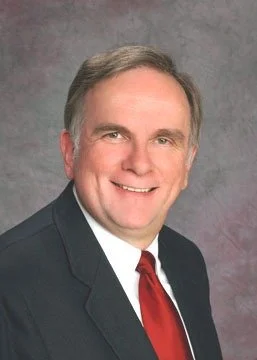
Can you imagine the kind of healing and reconciliation that could be possible in society if Restorative Justice were used as an alternative to traditional criminal justice? Gerald Partridge joins us today to explore the power and value of Restorative Justice in building a civilized society. Gerald is a retired career prosecutor who has used Restorative Justice throughout his career to solve sensitive and complex criminal cases. Justice has always been important to Gerald, and when he discovered Restorative Justice, he knew it was the best way forward for society.
In this conversation, Phoenix and Gerald discuss the “bad fruit” being produced by the traditional criminal justice system, how Restorative Justice fills the gaps that system creates, exactly how the process works, why victims want to participate in this process, the benefits of reconciliation, and more. Gerald goes on to break down the three questions that make up a Restorative Justice conference before discussing how listeners can learn more about Restorative Justice and what we can do to support this reformative system.
Finally, our guest shares some real-life instances where Restorative Justice has transformed lives. If you want to hear all this and learn how Restorative Justice changes the “us versus them” narrative into a sense of unity among people, be sure to press play now.
—-
What You’ll Learn:
Discover the issues Restorative Justice addresses that traditional criminal justice ignores. [0:05:35]
Learn how the Restorative Justice system works, step-by-step, and why victims of crime participate. [0:12:46]
Explore the three questions that make up the Restorative Justice conference. [0:33:59]
Hear about how you can get involved in supporting the Restorative Justice system. [0:40:19]
---
Memorable Quotations:
“If you’re going to build a civilization and a society, Restorative Justice really should be the cornerstone.” — Gerald Partridge [0:05:05]
“The criminal justice system is, ‘Nail them, jail them. You do the crime, you do the time, you get what you deserve,’ and Restorative Justice does it better.” — Gerald Partridge [0:11:09]
“When you give people the opportunity to be human beings, sometimes, they really are.” — Gerald Partridge [0:30:07]
---
Links Mentioned in Today’s Episode:
Sign up for Gerald Partridge’s Webinar – One Giant Leap for Criminal Justice Reform: https://one-giant-leap-for-criminal-justice.mailchimpsites.com/
Gerald Partridge – Email Address: [email protected]
---
Explore More from LIFT Economy:
Explore other episodes in this series on restorative justice https://www.lifteconomy.com/restorative-justice-series/
Phoenix Soleil – Website: https://www.phoenixsoleil.com/
Phoenix Soleil – LinkedIn: https://www.linkedin.com/in/phoenix-soleil-68b4431/
Subscribe to Next Economy Now wherever you get your podcasts:
Apple Podcasts: https://podcasts.apple.com/us/podcast/next-economy-now-for-the-benefit-of-all-life/id1074584017
Spotify: https://open.spotify.com/show/36p6xgHCr8BY9jZyIaQPYB
YouTube: https://youtube.com/c/Lifteconomy
Stay connected with the LIFT Economy team for more conversations and resources on building an economy that works for all life:
Newsletter: https://lifteconomy.com/newsletter
Next Economy MBA: https://lifteconomy.com/mba
Rebuilding Healthcare for the Benefit of All (w/ Dave Chase)
What if the real reason healthcare keeps getting more expensive isn’t doctors or patients, but a benefits system that is designed to reward overspending instead of better health outcomes? In this episode, healthcare entrepreneur Dave Chase, founder of Health Rosetta, joins host Kevin Bayuk to unpack what is wrong with U.S. healthcare and what needs to change to realign the system towards better outcomes.
Rethinking Waste in a Circular Economy (w/Tom Szaky)
What if waste isn’t an inevitable byproduct of modern life, but a design flaw we can solve? In this conversation, Tom Szaky, founder and CEO of TerraCycle, joins host Kevin Bayuk to explore how businesses can rethink waste and build systems that move us toward a circular economy. More than two decades ago, Tom founded TerraCycle with a mission focused on Eliminating the Idea of Waste®, growing the company from an early vermicompost venture into a global platform that recycles some of the world’s hardest-to-process materials.
Degrowth, Disaster Justice, and Building a Post-Growth Society with Feroz Khan
What if perpetual economic growth is part of the problem, not the solution? Feroz Khan explores how degrowth and disaster justice could guide a more sustainable and equitable future.
Mission-Driven Banking and Systems Change (w/ Francis Janes)
What would it take for banks to move away from capital extraction and toward climate resilience, racial justice, and community wealth? Francis Janes, Senior Director of Industry Relations and Partnerships at Beneficial State Foundation, joins host Erin Axelrod to explore how banking can become a lever for social and environmental justice. Drawing on his work with banks and trade associations, Francis shares how mission-driven standards, corporate social responsibility, and stakeholder approaches can shift how capital is deployed in local economies.
Raising Collaborative Children in a Fragmented Economy (w/ Dr. Lucía Alcalá)
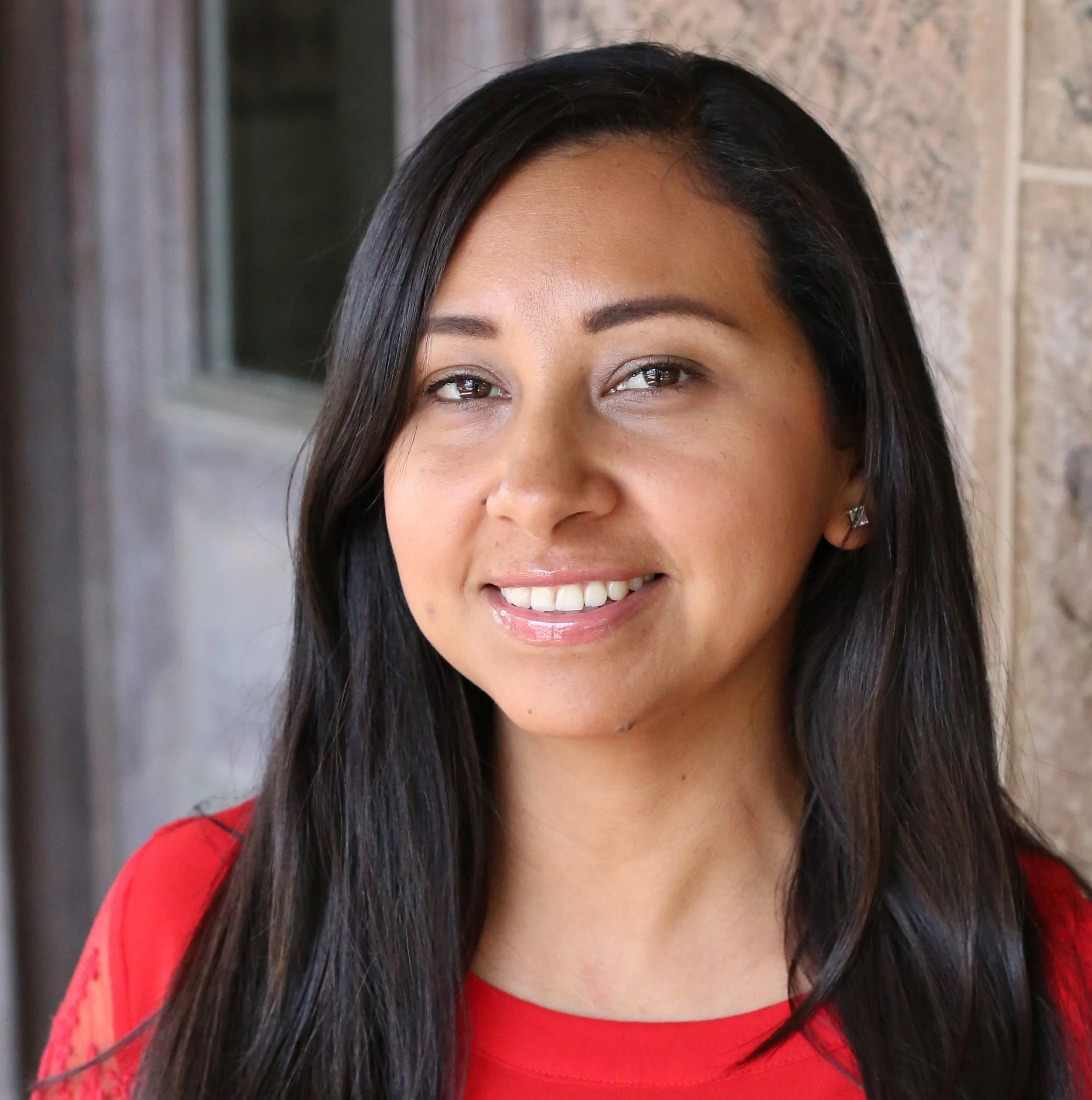
Many parents feel pressure to manage children through packed schedules, constant supervision, and endless activities. In this episode of Next Economy Now, Erin Axelrod speaks with Dr. Lucía Alcalá, a professor of psychology at California State University Fullerton who studies the relationship between cultural values and children’s cognitive and social development. Drawing on her own background and cross-cultural research, Dr. Alcalá offers a grounded perspective on how children learn through participation, not isolation.
Dr. Alcalá shares insights from Indigenous communities in Mexico, where children are woven into daily family and community life. She describes how children develop autonomy, collaboration, and purpose by contributing to real work from a young age. The discussion contrasts this with Western, middle-class norms that often rely on transactional chores, overscheduling, and screens, limiting opportunities for agency, emotional regulation, and intrinsic motivation.
As the conversation unfolds, they unpack how parenting becomes an economic issue. Erin and Dr. Alcalá explore how reciprocity, unstructured time, and shared responsibility can reduce pressure on families while building skills children need in a changing economy. Tune in to hear how rethinking childhood can help reimagine the next economy.
What You’ll Learn:
Explore how Indigenous communities in Mexico integrate children into family and community work from an early age. [0:03:54]
Learn how developmental skills and intrinsic motivation grow through participation, not overscheduling or transactional relationships. [0:10:08]
Discover how reciprocity and gift-economy relationships foster belonging and contribution across families and communities. [0:19:15]
Reimagine childhood participation to foster shared responsibility, community care, and social resilience. [0:22:42]
Explore how screens and overscheduling reduce participation, while unstructured time builds regulation, intrinsic motivation, and adaptability. [0:32:41]
Recognize the shared goal across cultures: helping children live safe, happy, and fulfilling lives [0:43:50]
Memorable Quotations:
“We have siloed children into child-focused activities that are managed and created by adults for children’s consumption.” — Lucía Alcalá [0:04:45]
“When children are integrated early on into the fabric of the family and the complex social fabric of the community. They start to have opportunities to observe others working together.” — Lucía Alcalá [0:10:57]
“That sense of belonging to a group [in indigenous communities] is very different than this contractual relationship that we often see in middle-class families.” — Lucía Alcalá [0:17:37]
“All parents that I have talked to in my multiple studies, regardless of background, share the same overarching goal. They want their children to be happy and to lead safe, fulfilling lives.” — Lucía Alcalá [0:44:33]
Links Mentioned in Today’s Episode:
Dr. Lucía Alcalá – LinkedIn: https://www.linkedin.com/in/dra-lucia-alcala/
Dr. Lucía Alcalá – Google Scholar: https://scholar.google.com/citations?user=dAyNLTYAAAAJ&hl=en
Research Papers: https://drive.google.com/drive/folders/1yYFAl1ZuMur64iNx839_ApWGS36NJ3Ww?usp=sharing
Erin Axelrod – LinkedIn: https://www.linkedin.com/in/erinaxelrod/
Subscribe to Next Economy Now wherever you get your podcasts:
Apple Podcasts: https://podcasts.apple.com/us/podcast/next-economy-now-for-the-benefit-of-all-life/id1074584017
Spotify: https://open.spotify.com/show/36p6xgHCr8BY9jZyIaQPYB
YouTube: https://youtube.com/c/Lifteconomy
Stay connected with the LIFT Economy team for more conversations and resources on building an economy that works for all life:
Newsletter: https://lifteconomy.com/newsletter
Next Economy MBA: https://lifteconomy.com/mba
Earth, War, and the Path Toward Regeneration (w/ Zainab Salbi)

When it comes to the protection of Mother Earth, no positive contribution is too small, and we are all responsible for doing our part. In this episode of Next Economy Now, Zainab Salbi joins us to discuss the impact women have in major global crises and how her organization, Daughters for Earth, is pioneering this action. With a background rooted in conflict and war and being raised by a strong mother, Zainab was inspired from an early age to make a career out of women’s rights.
Zainab explains what the mission of Daughters for Earth is, why environmental activists have a responsibility to speak out against war, why women are already empowered in their protection of the Earth, what support they need, and more. We delve into the beautiful African fable that inspired Daughters for Earth’s Hummingbird Effect before Zainab tells us about the momentum in her work and what their focus is on in the near future. She even challenges the mainstream principles of business and, finally, how we can become hummingbirds.
This episode will inspire you to question what it means to protect the natural world and how you can show up to make an impact, no matter how big or small. Tune in to hear how you can join the Hummingbird Effect and support women fighting climate change.
Key Points From This Episode:
How encountering injustice in her childhood in Iraq inspired Zainab to make a career out of women’s rights. [0:01:46]
Zainab shares how Daughters for Earth was created and the essence of the organization. [0:06:22]
Our guest discusses the war in Gaza and why environmental activists have to condemn war. [0:12:36]
What women really need to protect Mother Earth (and why it doesn’t include empowerment). [0:17:08]
Zainab tells us about the Hummingbird Effect and the beautiful African story it comes from. [0:18:36]
How people have responded to this work, how it’s evolved over the years, and Zainab’s mission to prove the effectiveness of women’s work. [0:22:42]
Zainab challenges the principles of the mainstream business economy and shares what’s important to her with regards to outcome. [0:25:54]
What kind of support Zainab and Daughters for Earth needs right now and how listeners can help. [0:29:36]
Quotes:
“No crisis can be solved without the inclusion of women, and [climate change and loss of biodiversity] is the mother of all crises.” — @ZainabSalbi [0:08:30]
“If we are pro-Earth, then we cannot be pro-any war. Any war whatsoever!” — @ZainabSalbi [0:15:21]
“When it comes to the protection of Earth or nature, – women do not need to be empowered. I actually really reject that notion. When it comes to the protection of Mother Earth, women are in their full power.” — @ZainabSalbi [0:17:19]
“Never underestimate the power of the individual and never underestimate what we each can do in our community.” — @ZainabSalbi [0:21:25]
“The cause, the Earth, nature, does not require us to self-sacrifice. So, we need to act out of fullness of ourselves and out of integrity of ourselves.” — @ZainabSalbi [0:31:23]
Links Mentioned in Today’s Episode:
Zainab Salbi — https://zainabsalbi.com/
Zainab Salbi on LinkedIn — https://www.linkedin.com/in/zainab-salbi-67a20411/
Zainab Salbi on Instagram — https://www.instagram.com/zainabsalbi/
Zainab Salbi on X — https://x.com/ZainabSalbi
Daughters for Earth — https://daughtersforearth.org/
Stay Connected To Next Economy News with our Newsletter!
Interested in receiving the latest news from the Next Economy? Sign up for our newsletter and receive monthly tips, advice, and resources from our team and partners: https://lifteconomy.com/newsletter
Dive Deeper With The Next Economy MBA
Interested in exploring Next Economy principles in a community of practice with other entrepreneurs, changemakers, and impact leaders? Offered in the spring and fall, the Next Economy MBA is a nine-month online course for folks who want to learn key business fundamentals (e.g. vision, culture, strategy, and operations) from an equitable, inclusive, and regenerative perspective.
Join the growing global network of 500+ alumni who are catalyzing a global shift towards an economy that works for all life. Learn more and sign up for news about upcoming cohorts: https://lifteconomy.com/mba.
Show Notes + Other Links
Thanks for listening! If you enjoyed the show, you can view our previous episodes and show notes here: https://lifteconomy.com/podcast.
Building a Liberation Economy (w/ Solana Rice & Jeremie Greer)
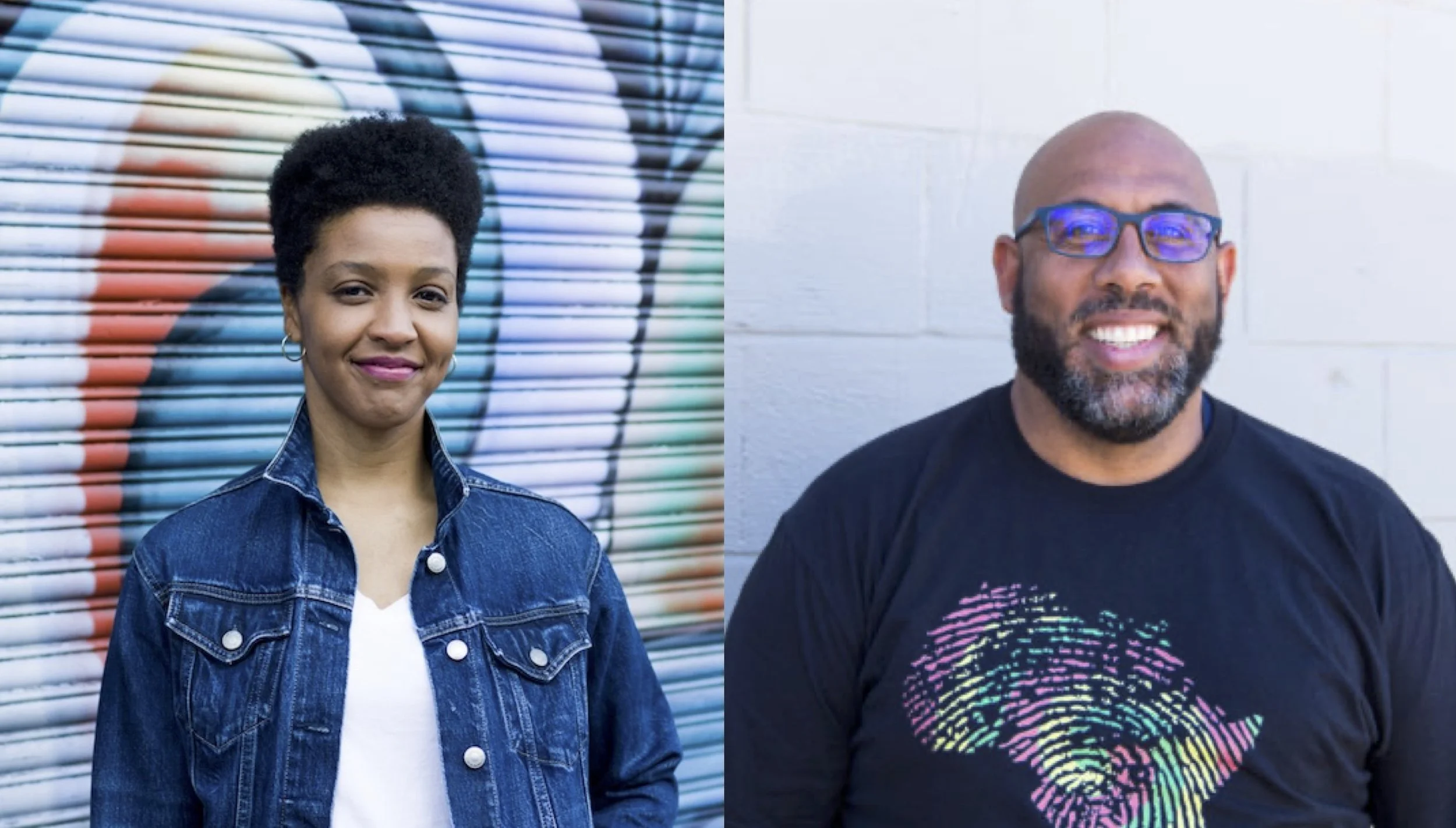
We live in an oppression economy, built on extraction and exclusion. The path to a liberation economy begins when we choose to imagine and build differently. In this conversation, Solana Rice and Jeremie Greer, Co-Founders and Co-Executive Directors of Liberation in a Generation, join Kevin Bayuk to explore what it would take to build an economy where all people of color truly belong. Drawing from their personal journeys and decades in policy and community work, they reveal how the United States economy was built on extraction and exclusion, and why imagining new systems is an act of power.
Together, they unpack the difference between the “oppression economy” and a “liberation economy,” where safety, housing, care, and decision-making power are shared equitably. The discussion moves from co-building policy with grassroots leaders to the seven “liberation guarantees,” from income and housing to debt-free college, that reimagine collective care as a public responsibility. They also share how imagination, storytelling, and visioning exercises help communities move beyond cynicism to design real solutions.
Listen in for an inspiring look at how building a liberation economy grounded in lived experience can help us create an economy built on belonging, dignity, and shared power.
Key Points From This Episode:
Solana and Jeremie’s personal paths to confronting racialized economic systems. [0:02:50]
What a liberation economy looks like in practice compared to an oppression economy. [0:07:38]
Principles guiding Liberation in a Generation’s work with communities of color. [0:11:12]
Co-building policy with grassroots partners and redefining who holds decision-making power. [0:14:30]
An example of community-led social housing in California using imagination. [0:19:14]
How visioning becomes a practice of agency and democratic power. [0:24:56]
Rethinking failed tactics and experimenting with new strategies for systemic change. [0:27:50]
The seven “liberation guarantees” that characterize a just and caring economy. [0:35:22]
What Jeremie and Solana are excited about: community conversations on tax policy and future-casting through intergenerational dreaming. [0:40:59]
A closing call to support local organizers and embrace the belief that change is possible. [0:46:15]
Quotations:
“The economy that we live in is a racialized form of capitalism. The economy that we have is one where the theft, exclusion, and exploitation of Black and brown people is not a side effect of the economy; it is a core part of the economy that creates wealth for other people.” — Jeremie Greer [0:07:48]
“The challenge of the liberation economy is that we've never really lived in one in this country as it is formed today. — We've always lived in one in which racism has been used to extract from Black and brown people for the benefit of others.” — Jeremie Greer [0:10:01]
“The Civil Rights Movement – [used] tactics that hadn't been tried and true — they were experimenting. We have to get back to the experimentation of new approaches, new tactics, new practices, new ways of being in this work, in order to expect different results.” — Jeremie Greer [0:30:53]
“The next time you think something's not possible, a liberation economy is not possible, just ask yourself, ‘Why?’ Write it down and be like, ‘Why do I think that?’, and revisit it. Revisit it in a week and see if something might be different.” — Solana Rice [0:47:23]
“The halls of power have been captured. But they can't capture our communities, because it’s where we live. It’s where our people are, where our friends are. Support your local organizers, because they're the ones that are going to pull us out of this and bring us to a new place.” — Jeremie Greer [0:48:14]
Links Mentioned in Today’s Episode:
Solana Rice: https://www.liberationinageneration.org/team/solana-rice/
Solana Rice on LinkedIn: https://www.linkedin.com/in/solana-rice/
Jeremie Greer: https://www.liberationinageneration.org/team/jeremie-greer/
Jeremie Greer on LinkedIn: https://www.linkedin.com/in/jeremie-greer-2a850a5/
Liberation in a Generation: https://www.liberationinageneration.org/
Soros Equality Fellows: https://www.opensocietyfoundations.org/newsroom/open-society-foundations-announce-2020-soros-equality-fellows
The Guarantee: https://nataliefoster.me/the-guarantee/
Natalie Foster: Fighting for America’s Next Economy by Raising the Floor for Everyone: https://www.lifteconomy.com/blog/natalie-foster
Subscribe to Next Economy Now wherever you get your podcasts:
Apple Podcasts: https://podcasts.apple.com/us/podcast/next-economy-now-for-the-benefit-of-all-life/id1074584017
Spotify: https://open.spotify.com/show/36p6xgHCr8BY9jZyIaQPYB
YouTube: https://youtube.com/c/Lifteconomy
Stay connected with the LIFT Economy team for more conversations and resources on building an economy that works for all life:
Newsletter: https://lifteconomy.com/newsletter
Next Economy MBA: https://lifteconomy.com/mba
Choosing Home in a Time of Displacement (w/ Fabiola Santiago)
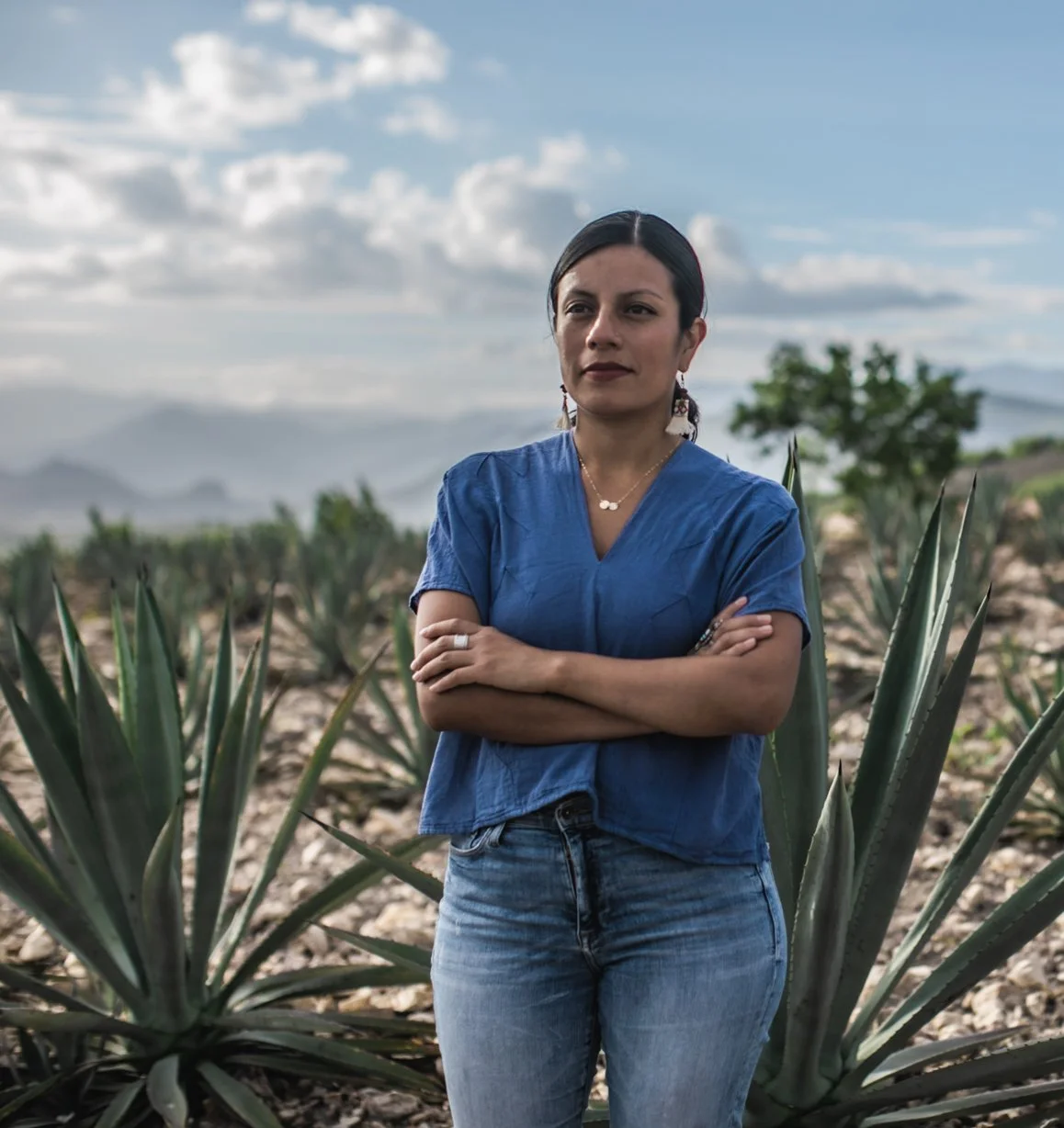
What does it mean to protect culture in a world that’s rapidly shifting? And what role do Indigenous foodways, regenerative economics, and memory play in shaping a more equitable future? In this episode, we’re joined by Fabiola Santiago, Founder and Executive Director of Mi Oaxaca and alumnus of the Next Economy MBA program, to explore how tradition, identity, and social impact strategies converge in meaningful and transformative ways. A diasporic Zapotec from Santiago Matatlán, the World Capital of Mezcal, Fabiola brings lived experience, ancestral knowledge, and a deep commitment to community-led change.
With more than fifteen years of work in community health, policy, and narrative strategy, Fabiola shares how her immigration story, education journey, and family history shaped the vision behind Mi Oaxaca. We explore how the organization strengthens belonging, cultural continuity, and sustainable business practices by centering Indigenous Knowledge Systems. Through her work, Mi Oaxaca acts as a bridge, offering education and immersion for visitors while supporting community empowerment, land stewardship, and cultural preservation at home.
We also explore the Gala-Guetza, Mi Oaxaca’s annual celebration designed to generate cultural awareness, economic opportunity, and long-term transformation. The conversation turns toward mezcal as more than a product; it’s a reflection of land, lineage, intentionality, and care. As Fabiola explains, the nuances of mezcal making mirror human identity: complex, shaped by environment, and strengthened through time and connection.
What You’ll Learn:
Learn how Fabiola’s experiences with immigration, education, and family have shaped her work at Mi Oaxaca. [0:02:17]
Explore Mi Oaxaca’s role in empowering the local community to connect to its roots and educating its visitors on Oaxaca’s culture and heritage. [0:09:21]
Understand the organization’s pivotal role in cultural education and transformation, and how the upcoming Gala-Guetza event supports this. [0:17:08]
Hear about some of the factors that influence the integrity and nuances of Mezcal production and how these intricacies mirror human traits and perceptions. [0:26:45]
Memorable Quotations:
“I think for me, home is wherever we choose that we feel a deep sense of belonging and that the place that we choose also chooses us.” — Fabiola Santiago [0:03:48]
“Speak us into existence. Because without that culture, that knowledge, [or] those systems, there would be no Mezcal industry. There would be no Oaxaca-inspired restaurants.” — Fabiola Santiago [0:23:45]
“There are a lot of things we need to unlearn and just leave in the past — we can’t bring everything with us. Focus on what we can bring into the future.” — Fabiola Santiago [0:38:45]
Links Mentioned in Today’s Episode:
Fabiola Santiago – Website: https://www.oaxacthetalk.com/
Fabiola Santiago — LinkedIn: https://www.linkedin.com/in/santiagofabiola/
Gala-Guetza 2025 — Event Link: https://mioaxaca.app.neoncrm.com/campaigns/gala-guetza-2025
Fabiola Santiago — Instagram: https://www.instagram.com/oaxacthetalk/
Mi Oaxaca — Website: https://www.mioaxaca.org/
Mi Oaxaca — Instagram: https://www.instagram.com/mi.oaxaca/
La Cocina — Website: https://www.lacocinasf.org/
Subscribe to Next Economy Now wherever you get your podcasts:
Apple Podcasts: https://podcasts.apple.com/us/podcast/next-economy-now-for-the-benefit-of-all-life/id1074584017
Spotify: https://open.spotify.com/show/36p6xgHCr8BY9jZyIaQPYB
YouTube: https://youtube.com/c/Lifteconomy
Stay connected with the LIFT Economy team for more conversations and resources on building an economy that works for all life:
Newsletter: https://lifteconomy.com/newsletter
Next Economy MBA: https://lifteconomy.com/mba
Science, Spirit, and the Future of Healing (w/ Dr. Shamini Jain)
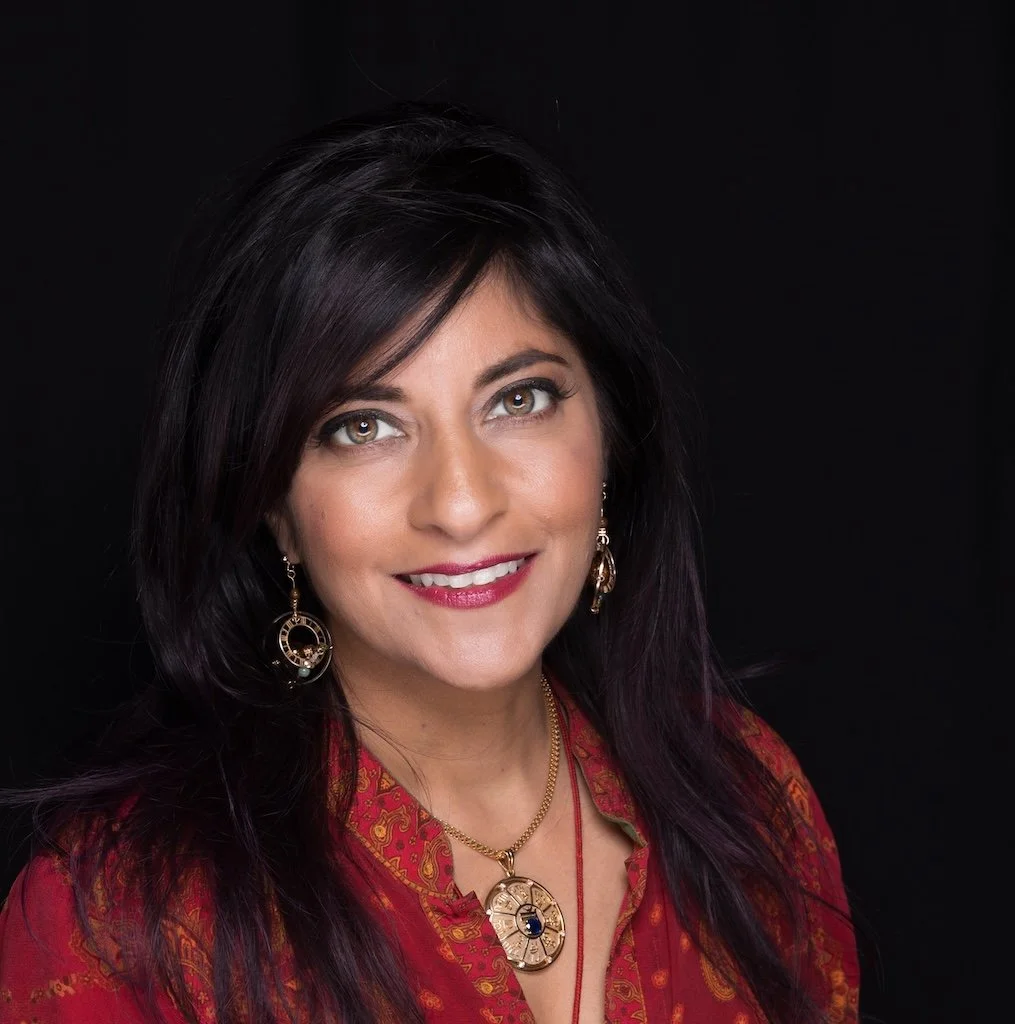
True health is about more than simply taking your medicine. It’s about healing the whole person, mind, body, and spirit. In this episode of Next Economy Now, Dr. Shamini Jain, a clinical psychologist, scientist, author, singer, and founder of the Consciousness and Healing Initiative, explores the intersections of science, spirituality, and creativity in advancing health and well-being.
Dr. Jain shares her journey from early experiences with sound and mantra to rigorous scientific exploration of vibration and energy healing. She discusses how practices like Reiki, sound, and meditation influenced her path, and highlights biofield science as a framework for understanding how energy shapes healing. Drawing on research and personal stories, she explains how placebo elements, relationships, and consciousness itself play a powerful role in recovery.
The conversation also looks at scaling healing practices, shifting medical paradigms, and how creativity and community can help us process challenges while leading from joy. Tune in to learn how Dr. Jain is bridging science, spirituality, and art to reimagine what true healing can look like.
Key Points From This Episode:
Introducing Dr. Shamini Jain and how she found her work at the intersection of science and spirituality. [0:00:36]
Letting go of perfectionism and returning to singing as creative medicine. [0:06:26]
Exploring vibration through music, storytelling, and scientific research. [0:11:52]
The history and definition of the term biofield, and scientific studies showing energy healing’s effects on cancer and immunity. [0:17:01]
Why placebo elements are powerful healing forces, not illusions. [0:25:43]
Reframing healing as an interconnected system of mind, body, and spirit. [0:31:31]
How the Consciousness and Healing Initiative (CHI) is advancing systems change and community-based healing, and the upcoming documentary, The Energy That Heals. [0:34:10]
Scalable healing practices vs costly drug development. [0:39:46]
What’s next: new projects in music, teaching, and the Rock Goddess Collective. [0:42:30]
Quotations:
“Singing was just something that brought me back home to myself. When the world was crazy, I could sing to myself, and it would bring me back to that place, that place of soul, that place of spirit, uniting with consciousness.” — Dr. Shamini Jain [0:03:02]
“Biofield was a term that was coined in the 90s by a group of scientists and healthcare practitioners who met at the National Institutes of Science. — They were trying to figure out how they could study and explain phenomena that they were seeing that [were] relevant for healing.” — Dr. Shamini Jain [0:17:03]
“These so-called healing elements, these placebo elements, in many cases, are more effective than [the] drugs themselves.” — Dr. Shamini Jain [0:30:09]
“Healing is an interconnected system. So the way that I choose to eat, the company that I keep, the doctors that I see, the ways that I run my energy and my support system all have an effect on my healing, because healing is interconnected.” — Dr. Shamini Jain [0:33:27]
“Know that you're a creative being. Explore where creativity wants to take you.” — Dr. Shamini Jain [0:45:11]
Links Mentioned in Today’s Episode:
Dr. Shamini Jain: https://www.shaminijain.com/
Dr. Shamini Jain on LinkedIn: https://www.linkedin.com/in/shaminijain/
Free Gifts to Resource Your Healing: https://www.shaminijain.com/freegift
Consciousness and Healing Initiative: https://www.chi.is/
Monthly Free Live Webinars: https://www.chi.is/webinars-public/
Energizing Whole Person Health — www.scienceofhealingcourse.com
Healing Ourselves: www.healingourselvesbook.com
The Energy That Heals: http://www.theenergythatheals.com
Kaliyuga Blues: http://www.kaliyugablues.com
Rock Goddess Collective: https://rockgoddess.band/
Health and Interconnection TEDx Berkley: http://www.tinyurl.com/wiredtoheal
Shawn Berry on LinkedIn: https://www.linkedin.com/in/sdberry/
Stay Connected To Next Economy News with our Newsletter!
Interested in receiving the latest news from the Next Economy? Sign up for our newsletter and receive monthly tips, advice, and resources from our team and partners:https://lifteconomy.com/newsletter
Restorative Justice and the Work of Repair (w/ Tatiana Chaterji)

Photo Credit: Valarie Duran
What would it take to move beyond punishment and toward true accountability and healing? In this episode of Next Economy Now, restorative justice (RJ) practitioner Tatiana Chaterji shares her journey as a survivor, educator, and advocate working to create alternatives to the punitive systems that dominate today’s responses to harm. With over a decade of experience in education, prisons, and community organizing, Tatiana is helping shape a vision of justice rooted in collective care and systemic transformation.
Tatiana explains how restorative justice practices, with roots in Indigenous traditions, create space for truth-telling, accountability, and healing. She shares her personal story of surviving a violent crime and how participating in surrogate victim-offender dialogues helped her find connection and deeper healing. The episode also explores how restorative practices can support social-emotional learning in schools and help address structural harm in organizations and communities.
This conversation offers a powerful look at how restorative justice can help build a society rooted in accountability and healing. Listen in to learn how restorative justice can help build a world that supports safety, dignity, and wholeness for all.
Key Points From This Episode:
Introducing Tatiana Chaterji, restorative justice (RJ) work, and RJ’s Indigenous roots. [0:01:03]
Critiquing the prison system and how to build a justice model that recognizes both harm and the humanity of all involved. [0:10:48]
Tatiana’s story of surviving a violent hit-and-run and traumatic injury, and how the police failed to investigate and dismissed her case. [0:14:05]
The process of taking part in surrogate victim-offender dialogues and how it helped Tatiana find closure and heal. [0:22:54]
Unpacking the sincerity and rigor of restorative work, even inside prisons. [0:33:36]
Why we should be working towards a society without prisons. [0:37:21]
Details of the book Tatiana is working on for restorative justice work in schools. [0:38:32]
Why true accountability requires support, not just punishment or permissiveness. [0:39:55]
RJ approaches to addressing sexual harm in schools and workplaces. [0:45:25]
Where you can find Tatiana online and what to expect from her upcoming book. [0:48:39]
Quotes:
“Restorative justice is a set of practices that challenges us to move from our authentic selves. We can locate some of the origins in indigenous peacemaking.” — Tatiana Chaterji [0:03:08]
“A lot of the Native people who have held these traditions have been erased from the conversation, and I think it's really important to be accountable for that when it comes to the Indigenous origins [of] what people call Native peacemaking processes.” — Tatiana Chaterji [0:03:40]
“I would say that most people who are serving time, serving a criminal sentence, or are on probation, or in other ways surveilled or detained by the state, that these individuals are also harmed in some way.” — Tatiana Chaterji [0:11:04]
“In the case of the offenders or the people who caused harm, they only do this [process of victim-offender dialogue] after a year or longer of preparation. They go through [an] intensive curriculum and exercises to understand what happened and how this has happened.” — Tatiana Chaterji [0:25:37]
“If you think about our criminal legal system, you are discouraged from taking responsibility, even if you know that you did it, even if you believe that it would make it better if you admitted it, you are discouraged.” — Tatiana Chaterji [0:26:40]
Links Mentioned in Today’s Episode:
Tatiana Chaterji: https://www.tatianachaterji.com/
Tatiana Chaterji on LinkedIn: https://www.linkedin.com/in/tatianachaterji/
Partners for Collaborative Change: https://www.collabchange.org/
Restorative Justice for Oakland Youth: https://rjoyoakland.org/
MEND Collaborative: https://mendcollaborative.org/
Insight Prison Project: http://www.insightprisonproject.org/
Phoenix Soleil: https://phoenixsoleil.mystrikingly.com/
Phoenix Soleil on LinkedIn: https://www.linkedin.com/in/phoenix-soleil-68b4431/
Centre for Non-Violent Communication: https://www.cnvc.org/
More on Surrogate Repair:
Surrogate repair is a strategy within restorative justice where people who have not directly harmed or been harmed by each other. It happens when either the survivor or the offender is not available, ready, or willing to participate in meeting directly with the other party.
Read a description of this process from the MEND Collaborative, a trusted organization that facilitates this crucial work with incarcerated people and survivors of violence and crime. https://mendcollaborative.org/surrogate-restorative-justice-circles-and-survivor-support/
Tatiana wrote a piece of creative nonfiction capturing her experience with surrogate victim offender dialogue here: https://brightflash1000.com/2025/10/03/split/
Explore other episodes in this series on restorative justice: https://www.lifteconomy.com/restorative-justice-series/
Stay Connected To Next Economy News with our Newsletter!
Interested in receiving the latest news from the Next Economy? Sign up for our newsletter and receive monthly tips, advice, and resources from our team and partners:https://lifteconomy.com/newsletter