
Food sovereignty is concerned not only with access to food, but also with community power, economic self-determination, and efforts to address historical harms. Ali Anderson, Founder and Co-Executive Director of Feed Black Futures, joins Erin Axelrod to explore how food sovereignty can address the harms of incarceration and land dispossession. Drawing on more than 15 years of experience in public health, birth work, and food justice, Ali shares how her path from doula work to farming led to the creation of Feed Black Futures.
Freeing Money Through Relationship and Trust (w/ Marian Moore)
What if transforming our relationship with money is just as important as redistributing it? Marian Moore joins Erin Axelrod to explore what it takes to build a more just economy through trust, community, and shared humanity.
Growing the Future of Regenerative Agriculture (w/ Wendy Johnson)
Next Economy Now is a weekly social impact podcast sharing stories & dialogue from the front lines of the new economy. Subscribe on Apple Podcasts, Spotify, Pandora, YouTube, or wherever you find your podcasts.
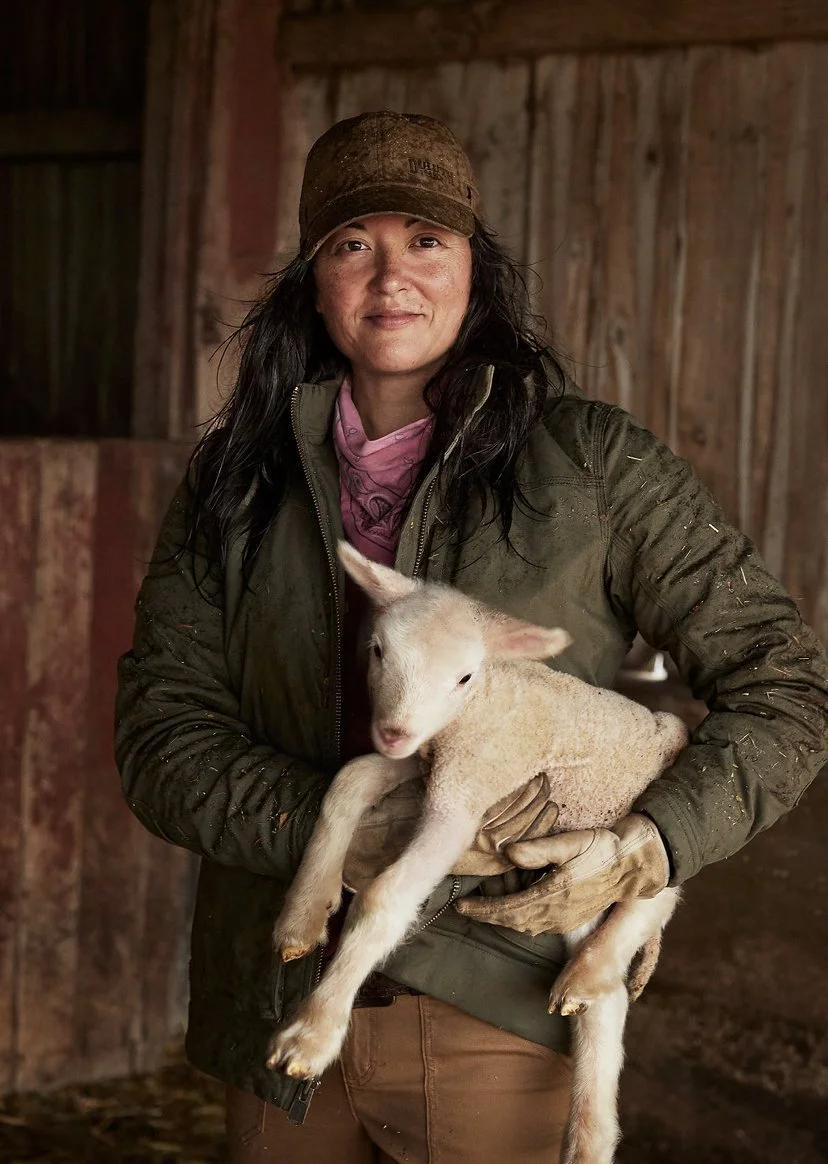
How do you bridge the worlds of regenerative and commodity agriculture? Wendy Johnson, land steward, farmer, and owner of Jóia Food and Fiber Farm, joins Erin Axelrod to share her experience farming in northern Iowa while working across both regenerative and conventional agricultural systems. Drawing on her background in fashion, farming, and agricultural advocacy, Wendy reflects on how her journey reshaped her understanding of food, fiber, and the role agriculture can play in creating a more resilient future.
The conversation explores Wendy's transition back to her family farm, how regenerative grazing, perennial crops, and diversified farming support healthier ecosystems, and why food and fiber deserve equal attention in conversations about sustainability. Wendy also discusses the financial, policy, and infrastructure barriers that make regenerative farming difficult to scale, while explaining how partnerships and conservation programs can help support the transition to regenerative agriculture.
Along the way, Wendy offers an honest perspective on transitioning conventional farmland, the promise of perennial grains and regional supply chains, and why advocacy is essential for the future of agriculture. Discover how regenerative farming can reconnect people with the land and help cultivate healthier communities for generations to come.
—-
What You’ll Learn:
Discover how Wendy's journey from fashion to farming reshaped her understanding of food and fiber. [0:01:37]
Explore what a day at Jóia Food and Fiber Farm reveals about regenerative agriculture. [0:09:49]
Understand how funding, policy, and partnerships are shaping the future of regenerative agriculture. [0:15:33]
Learn what's needed to transition conventional farms to regenerative agriculture at scale. [0:23:52]
Discover why farmers, funders, consumers, and advocates all play a role in transforming agriculture. [0:33:00]
---
Memorable Quotations:
“All around us is corn, and we're this little green island, 130 acres of regeneration.” — Wendy Johnson [0:11:29]
“We are 100% perennial, so that means we don't have a lot of annual crops like corn or soybeans.” — Wendy Johnson [0:12:49]
“The pillars of capital and infrastructure and policy and markets; all those things really need to fall in place for the type of agriculture that we're doing.” — Wendy Johnson [0:28:09]
“We are a part of an agricultural system, whether we think we are or we aren't. Every single one of us on planet Earth is.” — Wendy Johnson [0:33:28]
---
Links Mentioned in Today’s Episode:
Wendy Johnson – LinkedIn: https://www.linkedin.com/in/wendy-johnson-27b9777/
Jóia Food & Fiber Farm – Website: https://www.joiafoodfarm.com/
Fibershed – Website: https://fibershed.org/
Mad Agriculture – Website: https://madagriculture.org/
United States Department of Agriculture (USDA) Natural Resources Conservation Service (NRCS) – Website: https://www.nrcs.usda.gov/
Explore More from LIFT Economy:
Subscribe to Next Economy Now wherever you get your podcasts:
Apple Podcasts: https://podcasts.apple.com/us/podcast/next-economy-now-for-the-benefit-of-all-life/id1074584017
Spotify: https://open.spotify.com/show/36p6xgHCr8BY9jZyIaQPYB
YouTube: https://youtube.com/c/Lifteconomy
Stay connected with the LIFT Economy team for more conversations and resources on building an economy that works for all life:
Newsletter: https://lifteconomy.com/newsletter
Next Economy MBA: https://lifteconomy.com/mba
Building Community Sufficiency at Melliodora (w/ Su Dennett)
Next Economy Now is a weekly social impact podcast sharing stories & dialogue from the front lines of the new economy. Subscribe on Apple Podcasts, Spotify, Pandora, YouTube, or wherever you find your podcasts.
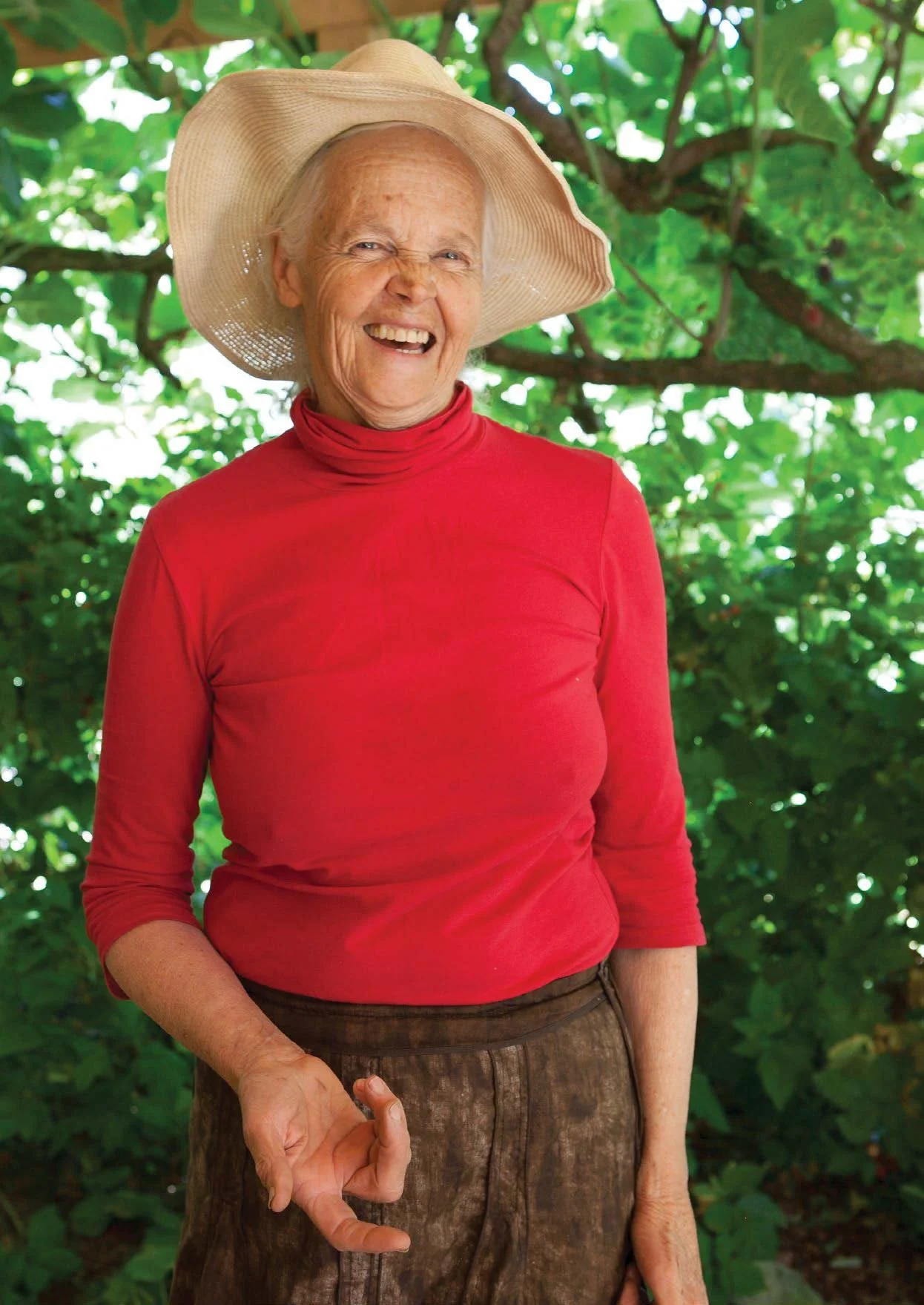
What would change if we treated the household as a living economy, not just a place to rest between workdays? Su Dennett, permaculture elder and local food pioneer, joins Erin Axelrod to explore how daily life can foster resilience, care, and cultural change. Su lives at Melliodora, the internationally recognized permaculture demonstration site in Central Victoria, Australia, with her partner, permaculture co-originator David Holmgren.
In their conversation, Su discusses what it was like growing up with a self-sufficiency mindset, living in food-conscious cultures in Greece and Italy, and eventually helping shape life at Melliodora. She shares how tending goats, growing food, preparing meals, managing household systems, and building exchange-based relationships have informed her understanding of what it means to live well outside systematic norms.
They explore the difference between self-sufficiency and community sufficiency, and how local food networks and direct relationships with growers can help people rely less on fragile systems. Su also talks about raising children close to the land, reclaiming domestic work from the monetary economy, building health through daily routines, and learning to set boundaries in a community.
Tune in to challenge your ideas about household economics, interdependence, parenting, and the simple yet necessary act of getting back in the dirt.
—-
What You’ll Learn:
Learn how Su’s early life shaped her connection to food, land, and self-sufficiency. [0:02:08]
Explore how Melliodora’s household economy works through food, animals, and exchange-based living. [0:08:15]
Discover how Su attracted people to Melliodora and introduced them to shared permaculture living. [0:13:50]
Hear Su’s views on retirement and preventative health care, and why she thinks individual agency can drive systemic transformation. [0:17:33]
Unpack Su’s philosophy around parenting, resilience, nature, and learning through daily immersion. [0:30:28]
Understand how she approaches task prioritisation, delegation, boundaries, conflict, and emotional learning in a shared community. [0:45:23]
---
Memorable Quotations:
“When you live and work together a lot in a partnership, then you need to have separate domains.” — Su Dennett [0:08:16]
“You don’t need to be self-sufficient, you need to be community efficient.” — Su Dennett [0:11:00]
“Living out of the cities, I think, is such a luxury. And living close to the dirt where you do get your immune boost.” — Su Dennett [0:24:23]
“That’s in general, in life, you don’t rely on anything that you do for yourself. Everything has to be given out to a professional.” — Su Dennett [0:26:28]
“The systemic transformation must always come after the individual transformation.” — Su Dennett [0:27:17]
“We’ve got to take things back into the non-monetary economy.” — Su Dennett [0:39:35]
“Enjoy [the] journey and make sure you’re out in the dirt.” — Su Dennett [0:55:48]
---
Links Mentioned in Today’s Episode:
Su Dennett – Website: https://holmgren.com.au/about-holmgren-permaculture-design/
Melliodora – Website: https://melliodora.com/
RetroSuburbia – Book Link: https://retrosuburbia.com/book/
Artist as Family – Website: https://artistasfamily.is/
If Women Counted: A New Feminist Economics – Book Link: https://www.marilynwaring.com/publications/if-women-counted.asp
Radical Homemakers – Book Link: https://www.abebooks.com/9780979439117/Radical-Homemakers-Reclaiming-Domesticity-Consumer-0979439116/plp
Explore More from LIFT Economy:
Subscribe to Next Economy Now wherever you get your podcasts:
Apple Podcasts: https://podcasts.apple.com/us/podcast/next-economy-now-for-the-benefit-of-all-life/id1074584017
Spotify: https://open.spotify.com/show/36p6xgHCr8BY9jZyIaQPYB
YouTube: https://youtube.com/c/Lifteconomy
Stay connected with the LIFT Economy team for more conversations and resources on building an economy that works for all life:
Newsletter: https://lifteconomy.com/newsletter
Next Economy MBA: https://lifteconomy.com/mba
Celebrating World Localization Day (w/ Helena Norberg-Hodge)
One of the most important steps to improving our global economy is to work towards stronger systems of localization. Helena Norberg-Hodge, linguist, author, director, founder of Local Futures, and leader of the New Economy Movement, joins us to explore her work as an activist trying to change the global economy through greater localization.
Creating Place-Based Systems Change (w/Matt Biggar)
How can communities reconnect with place while shifting away from extractive systems? Matt Biggar, researcher, consultant, and author of Connected to Place, joins Kevin Bayuk to explore how place-based systems change can help regenerate nature, strengthen communities, and build more resilient local economies. Drawing on his background in education, sustainability, and transportation research, Matt reflects on the experiences that shaped his thinking and the frameworks he now uses to understand systemic change.
Building a More Sustainable Textile Industry (w/ Brianna Kilcullen)
Rethinking everyday products and how they’re made can open the door to transforming entire systems. In this conversation, Brianna Kilcullen, founder of Anact, a sustainable towel brand, joins host Erin Axelrod to explore how natural materials and supply chain innovation can move the textile industry toward a more regenerative future. Drawing on her experience in global apparel supply chains, Brianna shares what led her to build a brand rooted in circular design, transparency, and activism.
Raising Collaborative Children in a Fragmented Economy (w/ Dr. Lucía Alcalá)
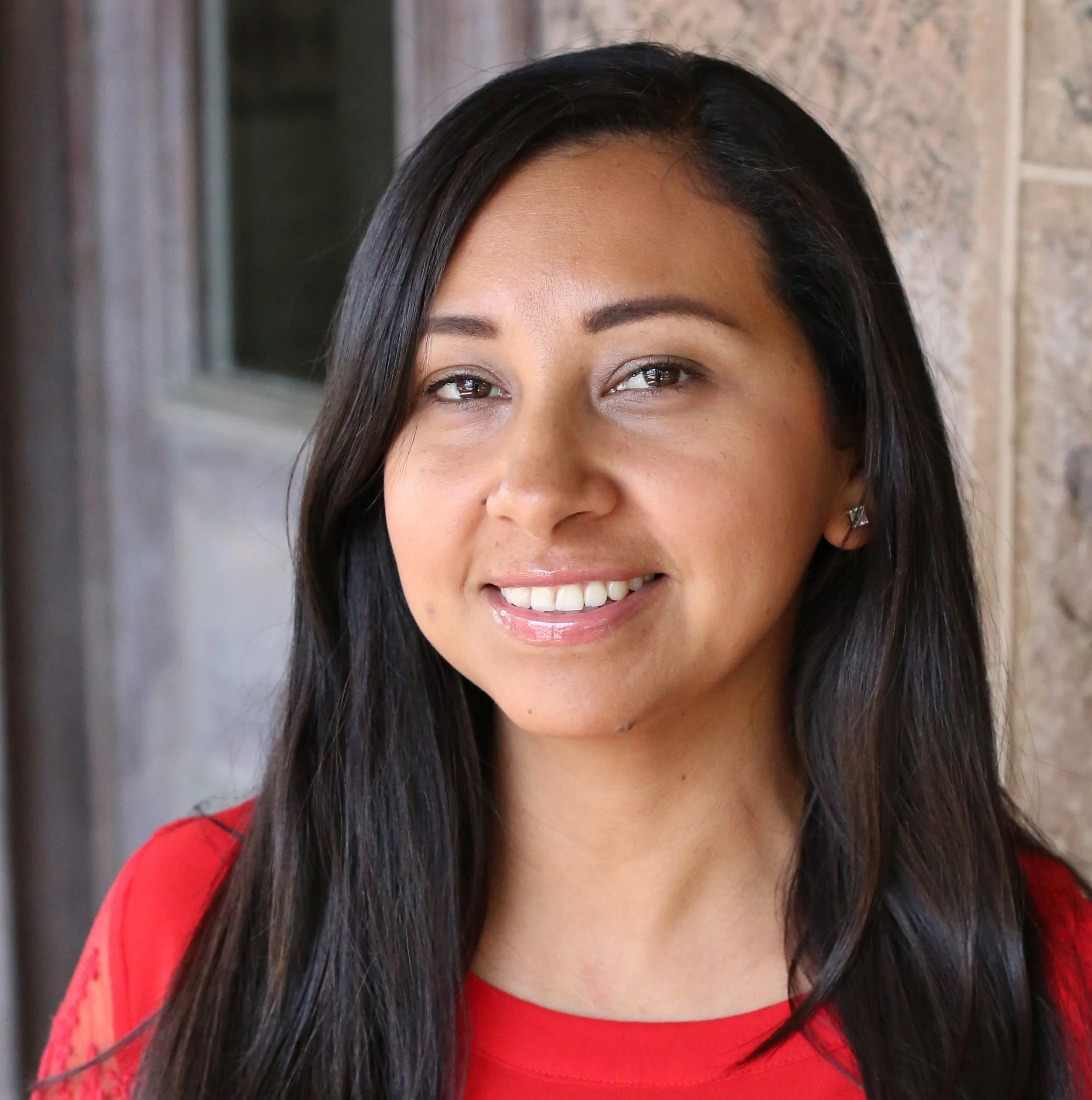
Many parents feel pressure to manage children through packed schedules, constant supervision, and endless activities. In this episode of Next Economy Now, Erin Axelrod speaks with Dr. Lucía Alcalá, a professor of psychology at California State University Fullerton who studies the relationship between cultural values and children’s cognitive and social development. Drawing on her own background and cross-cultural research, Dr. Alcalá offers a grounded perspective on how children learn through participation, not isolation.
Dr. Alcalá shares insights from Indigenous communities in Mexico, where children are woven into daily family and community life. She describes how children develop autonomy, collaboration, and purpose by contributing to real work from a young age. The discussion contrasts this with Western, middle-class norms that often rely on transactional chores, overscheduling, and screens, limiting opportunities for agency, emotional regulation, and intrinsic motivation.
As the conversation unfolds, they unpack how parenting becomes an economic issue. Erin and Dr. Alcalá explore how reciprocity, unstructured time, and shared responsibility can reduce pressure on families while building skills children need in a changing economy. Tune in to hear how rethinking childhood can help reimagine the next economy.
What You’ll Learn:
Explore how Indigenous communities in Mexico integrate children into family and community work from an early age. [0:03:54]
Learn how developmental skills and intrinsic motivation grow through participation, not overscheduling or transactional relationships. [0:10:08]
Discover how reciprocity and gift-economy relationships foster belonging and contribution across families and communities. [0:19:15]
Reimagine childhood participation to foster shared responsibility, community care, and social resilience. [0:22:42]
Explore how screens and overscheduling reduce participation, while unstructured time builds regulation, intrinsic motivation, and adaptability. [0:32:41]
Recognize the shared goal across cultures: helping children live safe, happy, and fulfilling lives [0:43:50]
Memorable Quotations:
“We have siloed children into child-focused activities that are managed and created by adults for children’s consumption.” — Lucía Alcalá [0:04:45]
“When children are integrated early on into the fabric of the family and the complex social fabric of the community. They start to have opportunities to observe others working together.” — Lucía Alcalá [0:10:57]
“That sense of belonging to a group [in indigenous communities] is very different than this contractual relationship that we often see in middle-class families.” — Lucía Alcalá [0:17:37]
“All parents that I have talked to in my multiple studies, regardless of background, share the same overarching goal. They want their children to be happy and to lead safe, fulfilling lives.” — Lucía Alcalá [0:44:33]
Links Mentioned in Today’s Episode:
Dr. Lucía Alcalá – LinkedIn: https://www.linkedin.com/in/dra-lucia-alcala/
Dr. Lucía Alcalá – Google Scholar: https://scholar.google.com/citations?user=dAyNLTYAAAAJ&hl=en
Research Papers: https://drive.google.com/drive/folders/1yYFAl1ZuMur64iNx839_ApWGS36NJ3Ww?usp=sharing
Erin Axelrod – LinkedIn: https://www.linkedin.com/in/erinaxelrod/
Subscribe to Next Economy Now wherever you get your podcasts:
Apple Podcasts: https://podcasts.apple.com/us/podcast/next-economy-now-for-the-benefit-of-all-life/id1074584017
Spotify: https://open.spotify.com/show/36p6xgHCr8BY9jZyIaQPYB
YouTube: https://youtube.com/c/Lifteconomy
Stay connected with the LIFT Economy team for more conversations and resources on building an economy that works for all life:
Newsletter: https://lifteconomy.com/newsletter
Next Economy MBA: https://lifteconomy.com/mba
Earth, War, and the Path Toward Regeneration (w/ Zainab Salbi)
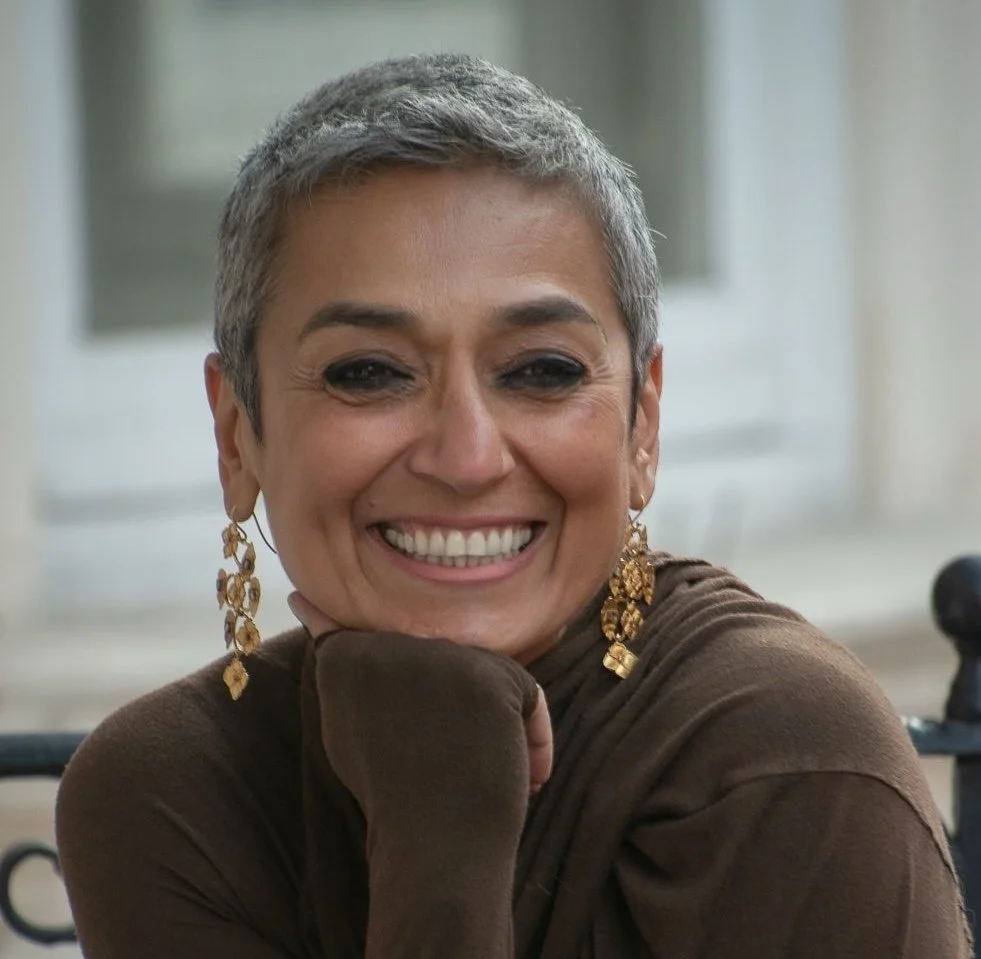
When it comes to the protection of Mother Earth, no positive contribution is too small, and we are all responsible for doing our part. In this episode of Next Economy Now, Zainab Salbi joins us to discuss the impact women have in major global crises and how her organization, Daughters for Earth, is pioneering this action. With a background rooted in conflict and war and being raised by a strong mother, Zainab was inspired from an early age to make a career out of women’s rights.
Zainab explains what the mission of Daughters for Earth is, why environmental activists have a responsibility to speak out against war, why women are already empowered in their protection of the Earth, what support they need, and more. We delve into the beautiful African fable that inspired Daughters for Earth’s Hummingbird Effect before Zainab tells us about the momentum in her work and what their focus is on in the near future. She even challenges the mainstream principles of business and, finally, how we can become hummingbirds.
This episode will inspire you to question what it means to protect the natural world and how you can show up to make an impact, no matter how big or small. Tune in to hear how you can join the Hummingbird Effect and support women fighting climate change.
Key Points From This Episode:
How encountering injustice in her childhood in Iraq inspired Zainab to make a career out of women’s rights. [0:01:46]
Zainab shares how Daughters for Earth was created and the essence of the organization. [0:06:22]
Our guest discusses the war in Gaza and why environmental activists have to condemn war. [0:12:36]
What women really need to protect Mother Earth (and why it doesn’t include empowerment). [0:17:08]
Zainab tells us about the Hummingbird Effect and the beautiful African story it comes from. [0:18:36]
How people have responded to this work, how it’s evolved over the years, and Zainab’s mission to prove the effectiveness of women’s work. [0:22:42]
Zainab challenges the principles of the mainstream business economy and shares what’s important to her with regards to outcome. [0:25:54]
What kind of support Zainab and Daughters for Earth needs right now and how listeners can help. [0:29:36]
Quotes:
“No crisis can be solved without the inclusion of women, and [climate change and loss of biodiversity] is the mother of all crises.” — @ZainabSalbi [0:08:30]
“If we are pro-Earth, then we cannot be pro-any war. Any war whatsoever!” — @ZainabSalbi [0:15:21]
“When it comes to the protection of Earth or nature, – women do not need to be empowered. I actually really reject that notion. When it comes to the protection of Mother Earth, women are in their full power.” — @ZainabSalbi [0:17:19]
“Never underestimate the power of the individual and never underestimate what we each can do in our community.” — @ZainabSalbi [0:21:25]
“The cause, the Earth, nature, does not require us to self-sacrifice. So, we need to act out of fullness of ourselves and out of integrity of ourselves.” — @ZainabSalbi [0:31:23]
Links Mentioned in Today’s Episode:
Zainab Salbi — https://zainabsalbi.com/
Zainab Salbi on LinkedIn — https://www.linkedin.com/in/zainab-salbi-67a20411/
Zainab Salbi on Instagram — https://www.instagram.com/zainabsalbi/
Zainab Salbi on X — https://x.com/ZainabSalbi
Daughters for Earth — https://daughtersforearth.org/
Stay Connected To Next Economy News with our Newsletter!
Interested in receiving the latest news from the Next Economy? Sign up for our newsletter and receive monthly tips, advice, and resources from our team and partners: https://lifteconomy.com/newsletter
Dive Deeper With The Next Economy MBA
Interested in exploring Next Economy principles in a community of practice with other entrepreneurs, changemakers, and impact leaders? Offered in the spring and fall, the Next Economy MBA is a nine-month online course for folks who want to learn key business fundamentals (e.g. vision, culture, strategy, and operations) from an equitable, inclusive, and regenerative perspective.
Join the growing global network of 500+ alumni who are catalyzing a global shift towards an economy that works for all life. Learn more and sign up for news about upcoming cohorts: https://lifteconomy.com/mba.
Show Notes + Other Links
Thanks for listening! If you enjoyed the show, you can view our previous episodes and show notes here: https://lifteconomy.com/podcast.
Intentional Living and the Future of Tiny Housing (With Jewel Pearson)
Freedom and fulfillment aren’t measured in square footage; they’re shaped by how we live and what we value. In this episode of Next Economy Now, we welcome Jewel Pearson, a tiny house expert, intentional living advocate, and longtime voice for representation in the tiny house movement. With over ten years of experience living in a tiny house, Jewel brings lived experience and deep expertise as a consultant, educator, and speaker. She challenges traditional ideas of housing and wealth building, helping people design homes and lifestyles rooted in sustainability, equity, and community.
A Journey to Personal Liberation (with Christine Platt)
In celebration of our second cohort of Next Economy Living, we’re launching a mini-series on the podcast to explore ways to build our individual and collective resilience strategies during these critical times.
If you enjoy this episode and are excited about designing your life in alignment with your values in a supportive community environment, consider joining our fall cohort of Next Economy Living. In this six month learning journey, we’ll learn how to deepen our security and resilience practices to thrive and flourish amidst ecological and economic challenges. Learn more and sign up for a free coffee chat with one of our facilitators at bit.ly/nexteconomyliving.
When you understand the power of a limiting belief and change it into a liberating belief, you get to take your power back and achieve personal freedom. In this segment of our Next Economy Living mini-series, we are joined by author and advocate for personal liberation, Christine Platt, to talk about her new book, Less is Liberation, and to share her liberation story.
Christine felt she no longer resonated with her success that was deeply rooted in her afrominimalist identity and decided to take ownership of her own life and liberate herself from the constraints of a career that didn’t serve her deepest desires. Tune in to hear Christine share her story, how she let go of limiting beliefs and fear, why she’s passionate about storytelling, the power of personal freedom, not just collective liberation, and so much more! Christine redefines ‘selfishness’ for listeners and, in doing so, shows us how we can free ourselves from limiting beliefs. We also discuss the five foundations of wellness before delving into learning how to ‘get well’.
Finally, Christine touches on where limiting beliefs stem from and how you can pinpoint them. To hear all this and be inspired to seek out personal liberation and figure out who you truly are, be sure to press play now!
—-
Key Points From This Episode:
How Christine’s first book, The Truth About Awiti, kick-started her path to liberation. [0:04:16]
The power of storytelling and sharing stories that need to be told but aren’t. [0:13:16]
Letting go of limiting beliefs and behaviors and choosing to go on your journey. [0:16:24]
Christine’s first act of career liberation and how frightening liberation is. [0:21:40]
Personal liberation versus collective liberation, and what a limiting belief actually is. [0:24:50]
Redefining ‘selfishness’ and the danger of not being able to self-assess. [0:32:01]
The five foundations of wellness and how a health scare changed Christine’s life. [0:43:04]
Pinpointing your limiting beliefs in order to achieve collective wellness and freedom. [0:50:41]
---
Quotes:
“We are living in the lasting implications of decisions of those who came before us – [and] the decisions that we make hold that same power.” — Christine Platt [0:14:46]
“People don’t talk about how liberation is frightening – [and] how hard it is to make a decision that is going to impact and change your entire life.” — Christine Platt [0:21:59]
“A lot of the overwhelm that we experience in our lives is self-induced.” — Christine Platt [0:23:50]
“Our bodies are always trying to be well. So you will ‘get well’ but you have to learn how to listen to your body.” — Christine Platt [0:47:42]
“Until we, ourselves, are liberated, until we, ourselves are well, there’s not going to be collective liberation.” — Christine Platt [0:53:51]
---
Links Mentioned in Today’s Episode:
Christine Platt: https://www.iamchristineplatt.com/
Christine Platt on LinkedIn: https://www.linkedin.com/in/christine-platt-afrominimalist/
Christine Platt on Instagram: https://www.instagram.com/iamchristineplatt/
Less is Liberation: https://www.hachettebookgroup.com/titles/christine-platt/less-is-liberation/9781538758304/
The Truth About Awiti: https://bookshop.org/p/books/the-truth-about-awiti-cp-patrick/12074086?ean=9780692287736&next=t
Afrominimalist: https://www.afrominimalist.org/
The Untethered Soul: https://bookshop.org/p/books/necessary-losses-the-loves-illusions-dependencies-and-impossible-expectations-that-all-of-us-have-judith-viorst/16021189?ean=9780684844954&next=t
---
Stay Connected To Next Economy News with our Newsletter!
Interested in receiving the latest news from the Next Economy? Sign up for our newsletter and receive monthly tips, advice, and resources from our team and partners: https://lifteconomy.com/newsletter
---
Dive Deeper With The Next Economy MBA
Interested in exploring Next Economy principles in a community of practice with other entrepreneurs, changemakers, and impact leaders? Offered in the spring and fall, the Next Economy MBA is a nine-month online course for folks who want to learn key business fundamentals (e.g. vision, culture, strategy, and operations) from an equitable, inclusive, and regenerative perspective.
Join the growing global network of 500+ alumni who are catalyzing a global shift towards an economy that works for all life. Learn more and sign up for news about upcoming cohorts: https://lifteconomy.com/mba.
---
Show Notes + Other Links
Thanks for listening! If you enjoyed the show, you can view our previous episodes and show notes here: https://lifteconomy.com/podcast. Feel free to share with colleagues or friends searching for podcasts for social entrepreneurs, too!
If you enjoy Next Economy Now, please consider leaving us a review on Apple Podcasts or Spotify — it really helps folks interested in Next Economy work discover our show. With your help, we can reach folks looking for podcasts about regenerative agriculture, worker co-ops, racial justice, and more.
---
Stay Connected With Us On Social:
X: https://twitter.com/LIFTEconomy
Instagram: https://instagram.com/lifteconomy/
Facebook: https://facebook.com/LIFTEconomy/
YouTube: https://youtube.com/c/Lifteconomy
Music by Chris Zabriskie: https://chriszabriskie.com/
Rethinking Home and Belonging Through Intentional Community (with Cynthia Tina)
What if the solution to better housing, health, and happiness isn’t greater independence, but deeper interdependence? In this episode of Next Economy Now, sustainability educator and regenerative living advocate Cynthia Tina invites us to rethink how we live, highlighting what it means to live in alignment with shared values, and why intentional communities are emerging as a powerful response to today’s social and ecological challenges.
Next Economy Living: Cultivating Consciousness, One Choice at a Time (with Farai Harreld)
Living with intention can be a radical act in a world driven by consumerism. In this episode of Next Economy Now, host Kevin Bayuk speaks with writer, herbalist, and former Black Minimalists podcast producer Farai Harreld about how ancestral knowledge and mindful practices can help us reclaim agency over our health, homes, and everyday choices.
Janelle Orsi: What if No One Could Save Money?
What would life look like if saving money became impossible for everyone? In this thought-provoking episode of Next Economy Now, Janelle Orsi, lawyer, writer, cartoonist, and activist for social and environmental justice, shares her journey of questioning traditional systems. From her early days as a “sharing lawyer” to her leadership at the Sustainable Economies Law Center, Janelle explores how wealth redistribution, Indigenous land relationships, and love-driven collaboration can redefine society.
Kevin Bayuk and Erin Axelrod: Next Economy Living

No matter how much you've aligned your lifestyle with your values, there’s always room to take it further. Next Economy Living, a new online course from LIFT Economy, is designed to fill essential knowledge gaps and empower those eager to build the next economy. In this episode, we dive into the course concept and share actionable tips for your next steps, such as budgeting, investing in durable goods, and navigating administrative hurdles.
You’ll hear about our vision for Next Economy Living and why it's core to living our values. We discuss the diverse range of people who can benefit from this knowledge and explore the course’s unique framework, outlining the incremental steps participants might take. Registrations are open for our upcoming free Next Economy Living Q&A sessions, where we’ll preview upcoming trainings. If resources are a barrier, please reach out via email or social media. We look forward to seeing you there!
Key Points:
Next Economy Living: its purpose, goals, and how it fits within Next Economy Now [0:01:28]
What’s at stake in reimagining the way we meet our needs in the current system [0:09:29]
The intended audience and the ultimate goal of Next Economy Living [0:20:41]
How the course can benefit those engaged in aid, activism, or those with access to wealth [0:30:51]
The framework for “next steps” and participant-driven learning [0:34:00]
Practical next steps that participants will discover in the course [0:39:03]
The overlap between cutting expenses, building skills, and finding growth areas [0:43:01]
How everyone, regardless of their involvement in the next economy, can identify a next step [0:47:41]
Quotes:
“One of the challenges and opportunities that we often provocatively try and present is to rethink the economy from a principles-first perspective.” — @kevinbayuk [0:04:46]
“It’s not just about changing the nature of business. It’s actually about changing the nature of culture and how we think about our needs.” — @kevinbayuk [0:08:57]
“We’re going to create, in the container of the learning community, a place where people can request or solicit feedback, advice, and resources for taking their next step.” — @kevinbayuk [0:38:18]
“We are going to hold people in a compassionate, accountable, loving embrace as we support them in taking that step.” — @erinaxelrod [0:41:06]
“Even building community is a next step that many can take.” — @erinaxelrod [0:46:19]
Links Mentioned in Today’s Episode:
Kevin Bayuk on LinkedIn — https://www.linkedin.com/in/kevinbayuk/
Kevin Bayuk on X — https://x.com/kevinbayuk
Erin Axelrod on LinkedIn — https://www.linkedin.com/in/erinaxelrod/
Erin Axelrod on X — https://x.com/erinaxelrod
Next Economy Living: Katy Bowman on Finding Ways to Move More
The links between movement and wellness are not easily disputed, and yet we find ourselves in an extremely sedentary society, where people are either unable to move enough or choose not to. On the show today to talk about her work on the subject is Katy Bowman. Her numerous books are helping to change the way we look at and think about movement and its role in contemporary life.
Next Economy Living: Christine Platt and The "Less Is Liberation" Movement
Today, we discuss the role that the psychology of ownership plays in our attachment to things, why Christine felt the need to highlight BIPOC experiences in her book, and how scarcity, race, and cultural expectations inform our choices.
Next Economy Living Cheryl Whilby on Soul Fire Farm and Creating Regenerative Food Systems
In today’s episode, we are joined by Cheryl Whilby, Communications Director at Soul Fire Farm, who is here to share some of the inspirational work that they are doing.
Next Economy Living: Vincent Medina & Louis Trevino on Reviving & Strengthening Indigenous Foods of SF Bay Area

Learn how Vincent Medina & Louis Trevino are reviving & strengthening Indigenous Foods in the San Francisco Bay Area.